If you had told me a few years ago that I would be teaching, I would have laughed and brushed it off. Teaching was never in my plans. When I joined university to pursue a degree in Tourism Management, I saw myself guiding travellers through the vast savannas, narrating stories of the wild, and managing tourism enterprises, not standing in front of a classroom. To me, education was a path I had long ruled out. But life, just like nature, has its own way of revealing purpose.
After graduating in 2017, I wandered through a long, dry spell of waiting: six years without a stable job. It was a time of personal struggle that mirrored the environmental stresses we see during a prolonged drought. Then, in 2023, a door opened. Ironically, it wasn’t to a tour company or hotel, but to a lecture hall. I became a lecturer. It wasn’t what I had imagined, yet from the very first day, I felt a quiet fulfillment I had never known before. My initial encounter with teaching was less a career choice and more an inspiration that redirected my entire life, rooted in the very land I had grown up on.
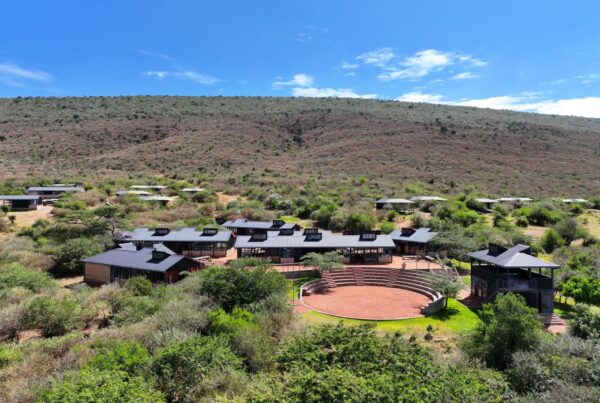
The institution that welcomed me was not an ordinary college. It was a school born from the heart of conservation itself, a vision that emerged from the plains of the Maasai Mara. Originally founded as Koiyaki Guiding School in 2005 within the Naboisho Conservancy, its establishment was a direct result of community-led conservation efforts. The Maasai people, known for their deep connection with nature, had come together to protect their wildlife heritage through the conservancy model. This act of protecting the land from subdivision and degradation planted a seed—a school that would grow to educate their own children and shape future custodians.
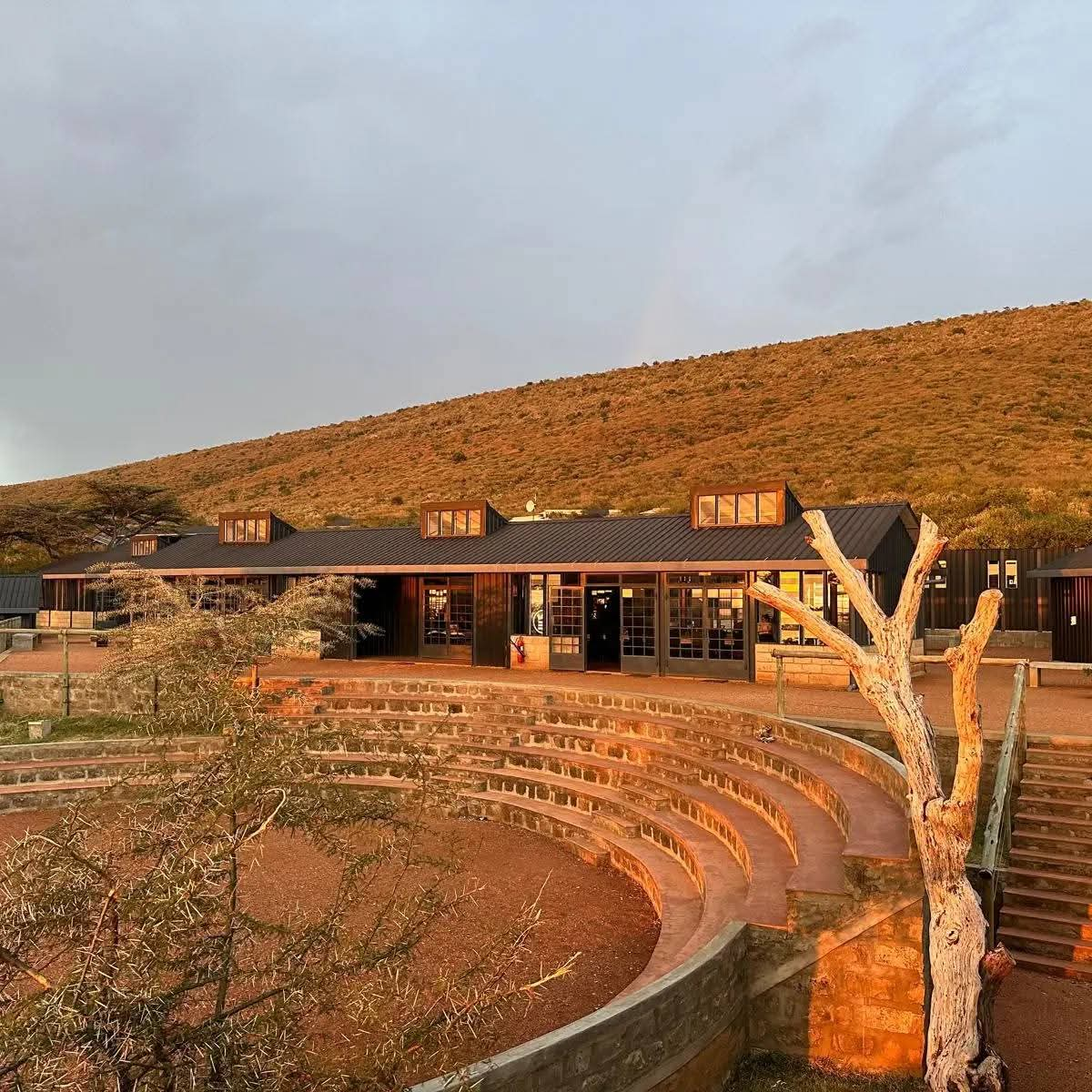
Over the years, this school, now known as The Wildlife Tourism College of Maasai Mara, has become a living example of how conservation and education can sustain each other. Many of the students who walk through its gates are young men and women from the local community who once thought their dreams had ended after secondary school. Yet, within these walls, they discover new paths in guiding, hospitality, and wildlife management, turning what once seemed like lost opportunities into lifelong careers. They are learning to become entrepreneurs and professionals on their own ancestral land.
Through education, conservation found a new language, one spoken in classrooms, on safari trails, and in community projects. As I taught these students, I realized that conservation goes beyond protecting wildlife; it restores dreams and rebuilds lives. Each lesson I delivered on sustainable tourism, each field trip into the conservancies, reminded me that the true strength of conservation lies in people. The willingness of the community to create the conservancy was the initial encounter that provided the land; the creation of the school was the reciprocal inspiration to invest in its future.
I recall vividly a lesson where we discussed the importance of the Mara River ecosystem. I had always seen it as a crucial water source, but as my students analyzed the impact of human activity upstream on the great migration, their passion ignited. They started discussing solutions rooted in community action, not just government policy. This encounter with their awakened sense of responsibility was a profound inspiration to me.
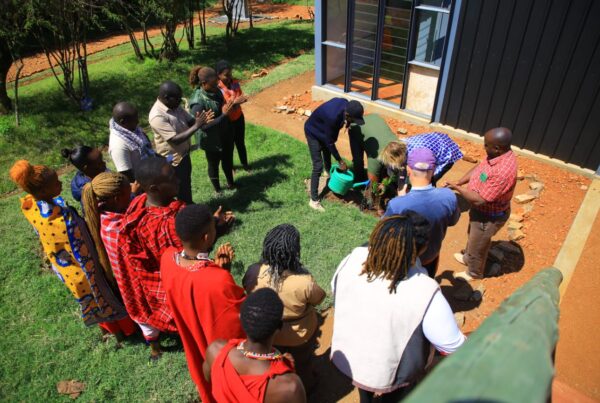
Their laughter during field trips, their pride when identifying a bird species, and their curiosity during class discussions all spoke of something deeper: ownership. Beyond tour guiding, I watched them perfect the art of bed making, master table setting, and polish their hospitality smiles that warmly welcomed guests from across the world. In every act, whether folding a napkin, arranging flowers, or presenting a local dish—there was purpose, pride, and a story of transformation. These were not just vocational skills; they were tools of empowerment crafted from the spirit of conservation.
And as I often remind my students, conservation is not just about protecting wildlife; it’s about empowering people to thrive economically, socially, and ecologically. When communities own conservation, they own their future. This belief is reflected in every graduate who returns home to uplift their families and inspire others to follow the same path.
Most of our graduates are now professional guides working in top camps across Kenya and beyond. Their success is a powerful encounter for the entire community. Others have started community-based tourism ventures, while a few have become passionate advocates for wildlife protection. Their success stories ripple through villages, inspiring parents to support education and motivating young people to see tourism not merely as employment but as a calling rooted in stewardship of their land.
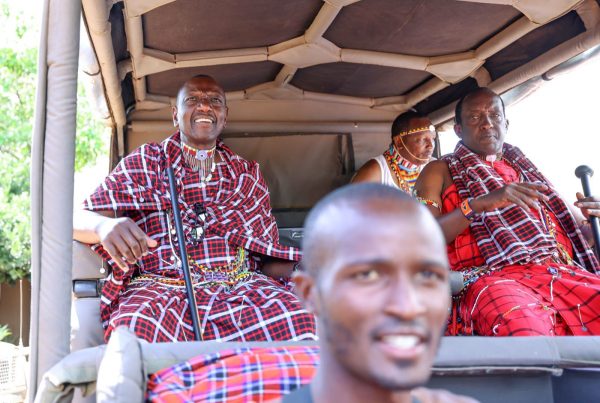
One of the most remarkable things about this institution is that its very existence depends on conservation. Without the foresight of local elders who agreed to lease their land for wildlife protection, this school would never have been born. Conservation made education possible, and in return, education is now strengthening conservation. It is a cycle of mutual growth that binds people and nature in a shared destiny. What many people don’t always see is the quiet leadership that made all this possible. The elders and leaders of Koiyaki Group Ranch made a selfless and visionary decision at a time when land subdivision seemed the easiest path for many communities. Instead, they chose unity. They chose conservation. By setting aside land for wildlife and later allocating space for a school, they planted a legacy that would outlive them. Their foresight created a space where learning, culture, and conservation could grow together. Every time I walk into the classroom or watch students confidently lead a field exercise, I am reminded that this school stands on a foundation of courage, generosity, and deep love for the land.
Looking back, I now see that conservation started the school, the school nurtured conservationists, and those conservationists are now transforming communities. This beautiful cycle of impact has shown me that every lesson taught, every student mentored, and every tour guide trained is a step toward preserving our natural and cultural heritage.
My initial encounter with teaching was, in truth, an encounter with conservation itself. I may not have chosen education, but education chose me through the profound, life-altering power of community conservation. In the gentle laughter of my students during lessons, in the pride of parents who see their children succeed, and in the thriving landscapes of the Mara, I find the essence of conservation—not only in the wild but in the people who live beside it.
Because, in the end, The School that Grew from the Savannah is more than a place of learning; it is a story of resilience, purpose, and hope. It reminds us that when people come together to protect their land, the rewards go beyond the wild. They shape generations, inspire transformation, and give meaning to life itself.
And perhaps that is the greatest lesson of all: that conservation does not just save wildlife; it saves us too.
Author’s Bio
MOROMPI DAVID TINYOYA is a Lecturer & Head of Student Welfare at the Wildlife Tourism College of Maasai Mara. He is currently pursuing a Master’s degree in Project Planning and Management, researching the Effects of Community Involvement Practices on the Sustainability of Donor-Funded Projects in Narok County, Kenya.